First, test whether it is only the tub
Before touching the tub, run the other fixtures. Fill the bathroom sink and let it go, flush the toilet and watch the bowl, and check any floor drain or laundry standpipe in the house. Notice any gurgle as one fixture drains.
One slow tub with every other fixture normal points to the tub itself. Two or more slow fixtures point to a shared line. Water backing up in a basement floor drain while the tub runs is a stronger sign still.
| What you observe | Probable cause | Where to start |
|---|---|---|
| Only the tub is slow, no gurgle | Stopper, linkage or tub trap | Remove and inspect the stopper |
| Tub slow and bath sink slow | Shared branch line | Clean the branch or call for drain cleaning |
| Gurgle from tub when a sink runs | Venting or partial blockage | Call a plumber to check vent and line |
| Toilet bubbles when the tub drains | Main line restriction | Stop using water and call |
| Floor drain backs up | Main drain or sewer lateral | Call right away |
The stopper and linkage: the hidden culprit
Many tubs use a pop-up stopper or a trip lever inside the overflow plate. When the linkage drifts out of adjustment, the plug rises only partway. Water squeezes past a half-open plug and the tub drains as if partly clogged.
A trip-lever tub has a rod and plunger behind the overflow plate. Pull the plate and the assembly out, wipe off the soap film and check that the plunger moves freely. A stiff or kinked linkage is a repair, and a bent rod is cheap to replace.
Unscrew and lift the stopper
Remove it, clean the stem and look for a build-up of soap scum or hair wrapped around the post.
Check the overflow plate
Take off the plate and withdraw the linkage. Clean it, then reinsert and test whether the plug opens its full range.
Flush with hot water
Run hot tap water for a few minutes. Avoid caustic drain openers, which can damage older pipes and splash on whoever works on the line next.
Retest the drain speed
Fill the tub a few inches and time how it empties compared with a few days earlier. A big change means the stopper was the cause.
Tub still slow after the stopper check?
If the linkage is clean and the tub still lags, the trap or branch line is next. Call the 24/7 line if water is rising anywhere.
Venting and trap problems
Drain pipes need air behind the water to flow freely. A plumbing vent that is blocked by a nest or debris on the roof, or a pipe that has been altered, can slow drainage and cause gurgling. The tub drains in a slow, bubbling rhythm and the toilet may burble as well.
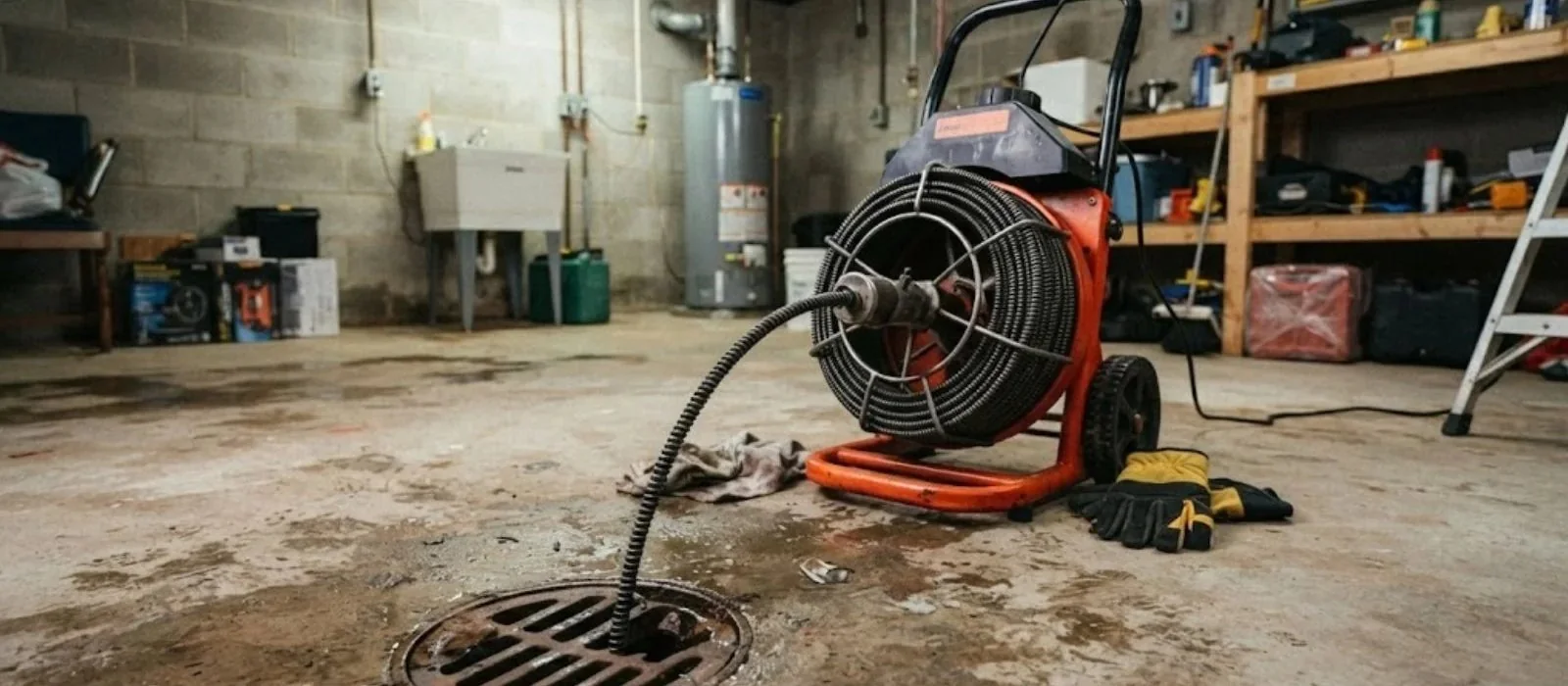
The trap under the tub is another suspect. It catches hair and soap, and a lining of buildup narrows the passage even when nothing looks plugged. This is where a snake or a drain machine reaches farther than a hand tool. Our drain cleaning work covers branch lines from the tub trap outward.
A partial main line blockage
A main line that is partly blocked lets water through slowly. Fixtures far from the main, or on the lowest floor, show it first. Grease, roots, a collapsed section or a cracked pipe can all be the cause.
Signs to watch are several slow drains at once, a toilet bubbling when the tub runs and sewage odor near a basement floor drain. Stop running water in the house when you see these, because the next load can push waste back out of the lowest opening.
Pennsauken sewer: who handles which part
Pennsauken Township collects sewage through the Pennsauken Sewerage Authority, and the Camden County Municipal Utilities Authority treats it. Most Pennsauken homes are on public sewer rather than septic, so a main line problem usually involves the pipe from your house to the street connection. The CCMUA customer service line is 856-541-3700, weekdays 8 a.m. to 4 p.m.
Ask the Sewerage Authority which section of the pipe belongs to you before paying for a repair near the street.
The street main is a public matter, while the pipe on your property is usually the owner's, so confirm the dividing point. A camera inspection can show which side the blockage is on. Census survey data puts the median year built in the township at 1964, and homes of that era often have older drain materials that are worth a camera check.
Source type: Pennsauken Township boards listing for the Sewerage Authority and CCMUA public website contacts, plus American Community Survey housing data
What you can try yourself
- Test other fixtures for slowness and gurgling.
- Clean the stopper, overflow plate and linkage.
- Flush with hot water and use a plastic hair tool.
- Check for a vent cap that is blocked, only if you can do so safely from the ground.
When to call a plumber
- More than one fixture is slow, or a floor drain backs up.
- The tub gurgles or the toilet bubbles when water runs.
- The slow drain returns within days of cleaning. A cleaning visit should include a look at the line.
- A drip at the spout or diverter, which is a separate fix handled by faucet repair.
Notes that help the plumber
Details speed up the diagnosis.
- Which fixtures are slow, and since when.
- Any gurgling, bubbling or odor and where it is loudest.
- Whether the problem is worse after laundry or a long shower.
- What you already tried, including any chemical cleaners.
- Which floor the tub is on and whether a basement floor drain exists.
The cost to clear a slow tub depends on where the restriction sits, how far a tool must travel and whether a camera is needed. A price is quoted after phone triage and before work starts. The same reasoning applies for homes in Collingswood and Maple Shade.
Standards and rules behind this advice
EPA guidelines on sewer backups explain why a slow drain on its own can point to a shared line problem.
Slow tub drain questions
The stopper linkage may be out of adjustment, the trap may have a soap lining, or a vent or branch line may be partly blocked. Hair is only one cause.
Start by testing other fixtures to see whether the slowness is local or shared.
Yes. Drain water needs air behind it, and a blocked vent can cause slow draining and gurgling.
Venting problems often show up in more than one fixture, and the gurgle may move around the house. A plumber can trace the vent and find where the air is being cut off.
They often fail on soap lining and do nothing for a stopper problem. They can also harm older pipes and are unpleasant for anyone who must open the line afterward.
Mechanical cleaning with a hand tool or a machine is the safer first choice, and it clears the buildup instead of just thinning it.
Look for several slow fixtures, bubbling in the toilet when the tub runs, and backing into a basement floor drain. Stop using water if you see these signs.
A camera inspection confirms the location and the cause, so you pay to fix the right pipe.
The Pennsauken Sewerage Authority collects sewage in the township and CCMUA treats it. The pipe on your property is generally your responsibility, but ask the Authority where your section ends.
A camera inspection helps show which side of the line the blockage is on.